I made a huge discovery this morning. It was my first attempt to use some coaching skills and what I found out was simply mind blowing!
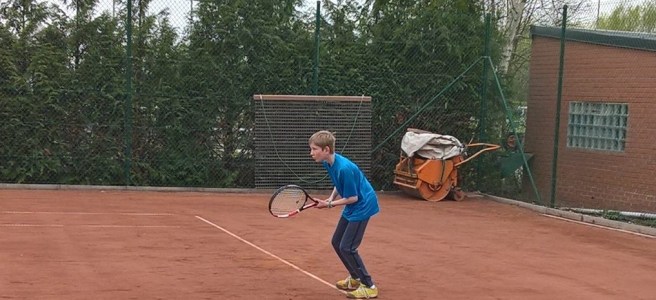
It was a beautiful morning, sun shine, tennis whether. Noe and I decided to play tennis. You’ll recognise this if you often play tennis or any other ball sport with your teen child:
Noe misses a few shots in the beginning. He starts to make annoyed calls. I keep on feeding him balls. We don’t even count points, just play balls to each other. In his fustrated stress, he gets out of balance by the shots, turns to quickly, his shots get all worse and worse. He gets even more annoyed.
I’m trying to make up my mind: should I give him some advice how to calm down or how to make better shots? Should I stop and say we’ll go on when you’ve calmed down? Shall I just walk away and say we’ll play another time?
Giving advice when he is so upset will not help. Probably one of the two other options could help. But it’s a beautiful day to play and I don’t want to waste it.
As I’m struggling what to do, I feel tension overwhelming me, until I burst out and start shouting and screaming threats I should know I won’t keep:
That’s it, I won’t ever play with you again. Never!
Noe suddenly becomes calm:
Sorry, Saca, I have spoiled it for you. It won’t ever happen again.
I’m already done, said what I said, no turning back. He is begging me making me promises and so finally I agree that we play a few minutes longer.
We are riding home, silently digesting our disappointment. I’m calm now, and desparately look for a cue how to find a better way to “discipline” him to sportive behaviour than quitting the game each time he gets in his negative mood. I’m secretely dreading that if I do this, he would quit tennis completely. He likes tennis, but I’m not sure his dedication is strong enough to survive painful lessons I would have to give him. There has to be another way! Think, think, think – how could coaching help? Ok, let’s start looking for the right questions:
How did you feel when you thought you were playing very poorly?
I was angry and couldn’t stop being angry.
What were you thinking?
I wanted to play better, but I couldn’t.
Ok, there’s nothing new in that. Now, what else can I ask? I’m stuck. Fortunately he’s giving me a clue:
Sometimes if I get angry, I start playing better.
Oh, I could explain why right now, but let’s keep this for later. For now I need to ask questions rather than give answers.
So, what would have happened if you had tried to stay calm and concentrate on your technic?
It doesn’t usually help.
Has it ever helped? Can you think of an instance when it did help?
Yes, I think it did help once or twice.
I’m stuck again. What more should I ask? Fortunately he’s again giving me something to go on:
If I stay calm, I feel defeated. I lost a fight against you. I know I shouldn’t be feeling this way.
I’m stunned. A fight against me? All I want is to help him play better! Where is the fight? Where is the conflict?
The expectation is to stay calm and if I keep calm, I’m just doing what you and everyone wants me to do.
That was enough of coaching for the day. But I feel that we could go still deeper. Why does he start the game full negative emotions? What spoils the joy of playing for him even before getting warm in the game? And why does he want to win against me?
But to finish the discussion, I give him something to chew on: I explain to him how anger helps his game, and – how it doesn’t help.

 Family Coach